
How Natural Light Shapes the Way We Live
Light is more than brightness. Thoughtful daylight planning can shape the atmosphere, rhythm, and comfort of a home.
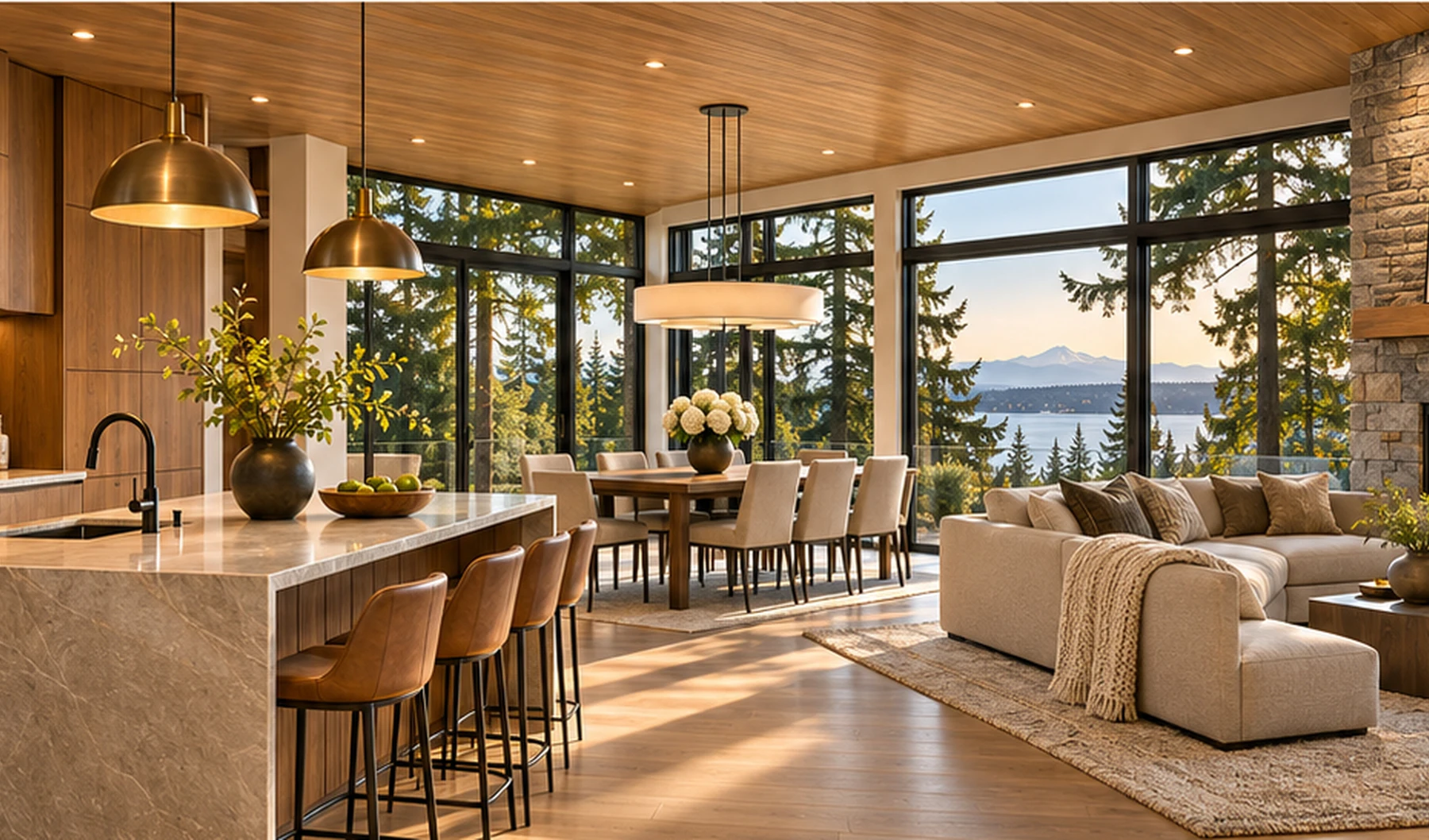
Begin with the way a room is used
The most successful daylight decisions begin with daily routines, not a window catalog. Think about when a space is occupied, what happens there, and how daylight might support that activity. A breakfast nook may benefit from a gentle morning outlook. A work surface needs useful illumination without distracting glare. A living space can welcome changing light while still offering places to retreat from it.
Before settling on a window size or position, walk mentally through a typical day in the home. Where do you read? Where do you gather? Where would a quiet view make a difference? These questions give light a purpose.
Orientation changes the character of light
Sunlight moves across a building, and its direction makes a real difference. East-facing openings often bring stronger morning light; west-facing openings may introduce low afternoon sun and glare. North-facing light in the Northern Hemisphere is generally more even, while south-facing glazing offers opportunities for seasonal control when carefully shaded.
These are starting points, not universal prescriptions. Climate, nearby buildings, trees, roof overhangs, and the depth of a room all influence the result. Good design considers the particular site instead of treating every façade the same.
Materials are part of the daylight strategy
A room’s brightness is not determined by windows alone. Pale walls and ceilings can help distribute light, while dark timber, textured stone, and matte finishes absorb or soften it. Reflective surfaces may add sparkle but can also create uncomfortable highlights if placed without care.
Rather than making everything white, consider contrast. A softly lit wall can feel calm beside a darker, grounded surface. An indirect glow along natural materials can reveal texture without asking the room to feel uniformly bright.
Comfort is the real measure
More daylight is not automatically better. Glare, unwanted heat gain, privacy, and seasonal changes matter as much as visual drama. Shading, layered window coverings, and balanced artificial lighting give a home flexibility after sunset or during a bright afternoon.
A well-considered room offers choice: openness when you want energy, softness when you need rest, and enough control to feel comfortable in both. That is where architecture and interior design work together.
A useful question to ask
Instead of asking only, “How much glass can we add?”, ask, “What kind of light would make this room better to live in?” The answer often leads to a more personal, practical, and lasting design decision.